Samurai Cat: A Designer’s Real-World Embroidery Review
As someone who’s stitched hundreds of designs across apparel, home goods, and boutique merchandise—everything from delicate baby onesies to rugged tote bags—I opened the Samurai Cat embroidery file with quiet curiosity. Not hype. Not hope. Just a practiced eye scanning for what this design *actually does* when translated into thread on fabric. My test run? A medium-weight organic cotton canvas tote for a local artisan pop-up—sturdy, slightly textured, and meant to hold real weight (and real expectations).
First Impression: Playful Precision, Not Just Cuteness
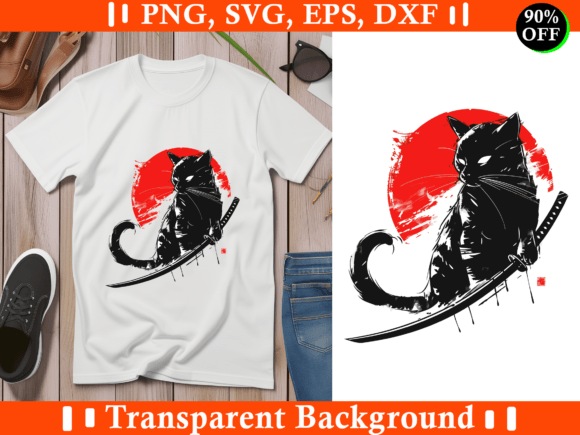
The Samurai Cat lands with confident charm—not cartoonish, not overly stylized, but balanced. The silhouette is clean and centered, with strong negative space around the cat’s pose and armor elements. You can feel the intention behind the line weight: thick enough for clarity in satin stitch, thin enough to avoid bulk in tight corners. There’s no over-detailing—no tiny rivets on the armor or micro-hair strands—which is smart. In machine embroidery, restraint is reliability. This isn’t an applique design begging for fussy layering; it’s a self-contained, single-layer-ready graphic that reads clearly at 3.5”–4.5” wide—the sweet spot for chest embroidery on tees, sweatshirts, and tote bags.
Where It Shines: Real Projects, Real Customers
I stitched Samurai Cat on three very different substrates: a soft unisex crewneck sweatshirt (medium fleece), a linen-cotton tea towel, and a structured twill cap. On the sweatshirt, it held crispness without puckering—thanks to its open layout and moderate stitch density. On the tea towel, the design retained legibility even with the fabric’s subtle weave; no fill-stitch bleeding or “fuzzing” at edges. And yes—it worked on the cap, though I used a smaller hoop and added tear-away + cutaway stabilizer combo to support the curve.
This is where Samurai Cat earns its keep: as a versatile, low-risk embroidery file for small business owners and Etsy sellers. It fits naturally on personalized gifts (think baby onesies with minimalist charm), boutique aprons for cat-loving chefs, pillow covers for geek-chic nurseries, and holiday gift sets—especially for pet lovers who appreciate wit over cliché. As a T-Shirt Designs asset, it bridges humor and craftsmanship. Customers don’t just see “a cat”—they see personality, care, and a subtle storytelling edge that lifts a basic tee into something memorable.
What It Does for Your Brand—and Your Buyers
When your customer unboxes a tote bag with Samurai Cat embroidered front-and-center, they’re not just getting a product—they’re getting proof of attention. The design’s clean geometry translates well to digital mockups, making your Etsy listings look polished and professional. Its visual balance supports brand consistency whether you’re selling handmade products under your own label or curating a small shop collection. And because it avoids trend-heavy details (no glitter effects, no dated fonts), it stays relevant across seasons—ideal for craft fair inventory or evergreen holiday embroidery.
Where to Pause—and Test
That said, Samurai Cat isn’t magic. Like any digital embroidery file, it demands context-aware judgment. On ultra-thin fabrics (like lightweight rayon tees), I recommend testing stitch density first—some fill areas may need slight reduction to prevent show-through. On dark fabric, contrast matters: black thread on navy works, but charcoal gray on black loses definition. For curved surfaces like caps or baby beanies, confirm your hoop size accommodates the full outline—no clipping corners.
Also note: while the design is well-proportioned, the cat’s tail curls close to the body. In dense satin stitch, that area could compress or shift on stretchy knits unless stabilized properly. And if you’re planning to scale it down below 2.75”, inspect those fine armor lines—they’ll hold up, but only with sharp needles and high-quality thread.
Designer Notes You’ll Actually Use
- Always test on scrap fabric first—especially with new stabilizer combos or unfamiliar thread brands.
- Check thread color contrast in natural light *and* under store lighting—what looks bold on screen may mute on oatmeal linen.
- Review stitch density visually before hooping: look for long satin runs or tight fill clusters that might snag during wear.
- Confirm hoop size compatibility—this design fits comfortably in a 4” x 4” hoop, but double-check if you’re using specialty hoops (e.g., cap frames).
- Inspect small details in both black-and-white and color mockups—does the helmet crest read at 3” wide? Does the paw placement feel intentional?
- Compare light and dark fabric backgrounds side-by-side—this reveals hidden contrast issues no screen preview catches.
- Use proper stabilizer: medium cutaway for knits, tear-away for stable wovens, and hybrid for textured surfaces like towels or canvas.
- Verify licensing terms before selling finished items or bundling Samurai Cat into digital product kits—commercial use rights aren’t implied by download alone.
Final Thought: A Design That Serves the Maker
Samurai Cat doesn’t shout. It doesn’t overload. It doesn’t ask you to compensate for weak structure or vague intent. As a Graphics asset built for real-world application, it respects your time, your machine, your fabric choices, and your customer’s eye. It’s the kind of embroidery file that makes your craft business feel more intentional—not because it’s flashy, but because it’s trustworthy. Whether you’re stitching one custom apron for a friend or prepping fifty tote bags for a summer market, Samurai Cat arrives ready to work. Just bring the stabilizer, the right needle, and your usual attention to detail—and let the design do the rest.