Cute Cat Vector Art for T-shirt Design
First Impressions: Sweet, Simple, and Stitch-Ready
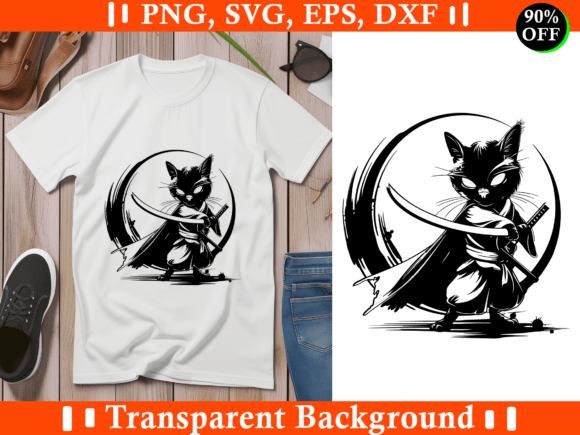
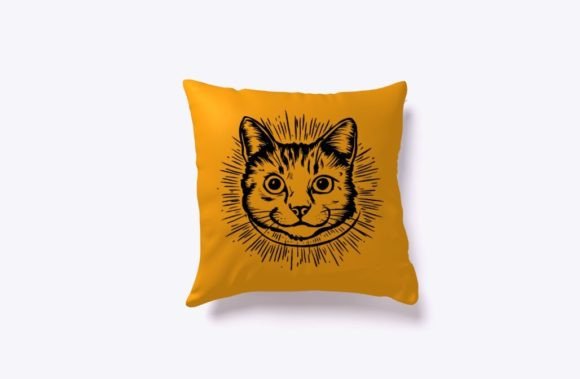
Opening Cute Cat Vector Art for T-shirt Design feels like unboxing a well-sketched idea—not overly fussy, not trying too hard. It’s a compact, friendly cat silhouette with soft curves, rounded ears, and gentle facial features. No intricate whiskers or micro-details that would vanish under thread, no sharp interior angles that snag needles. The vector’s clean lines and balanced negative space suggest it was drawn with real-world stitching in mind—not just screen display. That’s rare. Most “cute cat” graphics lean cartoonish or hyper-detailed; this one lands right in the sweet spot for embroidery: expressive enough to charm, restrained enough to translate cleanly into satin stitch or fill stitch.
A Real Project Test: Embroidering a Linen Tote Bag for a Local Boutique
Last week, I used Cute Cat Vector Art for T-shirt Design to create a limited-run embroidered tote for a neighborhood gift shop. We chose natural linen—lightweight but textured—and stitched the design centered on the front panel. The result? A handmade product that felt intentional, not generic. Customers paused at the rack. One mom bought two: one for her daughter, one “just because it made me smile.” That’s the quiet power of this design—it carries warmth without shouting. It works as a personalized gift, a small shop product, even a subtle branding element when paired with minimalist typography.
Where It Shines (and Where It Needs Care)
Cute Cat Vector Art for T-shirt Design performs best on stable, medium-weight fabrics: cotton tees, denim jackets, canvas totes, twill aprons, and baby onesies. Its moderate scale and open shapes hold up beautifully in sweatshirt embroidery, embroidered patch applications, and kitchen towel accents. On smooth surfaces like satin pillow covers or polyester blend caps, it reads clearly—even at 3.5" wide.
But be thoughtful with placement and prep:
- Small hoop sizes: The design fits comfortably in a 4"x4" hoop—but avoid cramming it into anything smaller. Tiny ears and eyes need breathing room.
- Textured or stretchy fabric: Use cutaway stabilizer for knits or loosely woven linen. Without it, the cat’s outline can blur under tension.
- Dark fabric: Test thread contrast first. A light ecru or heather gray thread reads softer than stark white—better for nursery decor or gender-neutral baby embroidery.
- Curved surfaces: On caps or curved mugs (for heat-transfer mockups), simplify the background shape—vector art doesn’t auto-adapt to dome geometry.
- Frequent washing: Avoid dense fill-stitch areas in high-friction zones (like tote bag handles). Stick to satin outlines + light fill for longevity.
What It Adds to Your Finished Product
This isn’t just decoration—it elevates perception. A plain cotton tea towel becomes a personalized gift. A basic black cap gains personality without looking costumed. A boutique’s small shop product feels curated, not mass-printed. That matters for Etsy sellers and craft business owners: customers pay more for items that feel hand-chosen, not algorithm-suggested. Cute Cat Vector Art for T-shirt Design supports that impression because it’s cohesive, scalable, and emotionally grounded—not trendy, but timeless in a quiet way.
It also reinforces brand consistency. If your shop leans into cozy, nature-adjacent, or gentle minimalism, this design slots in naturally—no forced rebranding needed. And for commercial embroidery clients? It’s versatile enough for kids’ apparel lines, pet-themed gifts, or even small-batch wedding favors (think: “Thank You” totes with a tiny cat + couple’s initials).
Practical Notes Every Embroidery Designer Should Check
Before cutting fabric or loading your machine:
- Test on scrap fabric first—especially if using textured or dark material. See how thread settles, where tension pulls.
- Review stitch density. If converting from vector to embroidery file, avoid overloading small areas with fill stitches—cats’ eyes or paws should stay legible, not muddy.
- Confirm hoop size compatibility. This design scales well, but don’t assume it auto-fits your smallest frame.
- Inspect small details in both black-and-white and color mockups. Does the cat read clearly against navy? Against cream?
- Use proper stabilizer—cutaway for knits, tear-away for stable wovens. Skipping this step undermines even the best machine embroidery design.
- Verify licensing. Since this is a digital embroidery file sold as Print Templates / Graphics, confirm whether commercial use (e.g., selling finished embroidered totes) is permitted. When in doubt, contact the seller.
Final Thought: A Quiet Workhorse, Not a Flashy Gimmick
Cute Cat Vector Art for T-shirt Design won’t go viral on Instagram—but it will sell steadily at craft fairs, earn repeat orders from Etsy buyers, and make moms pause mid-scroll because it feels like something their child would love *and* they’d proudly hang in the nursery. It’s the kind of design assets that builds trust: simple enough to execute flawlessly, warm enough to connect, and flexible enough to grow with your creative entrepreneur journey. Whether you’re prepping a holiday embroidery batch, designing a line of personalized gifts, or building a portfolio of digital embroidery file offerings, this is the kind of piece that earns its place—not through novelty, but through quiet, consistent usefulness.