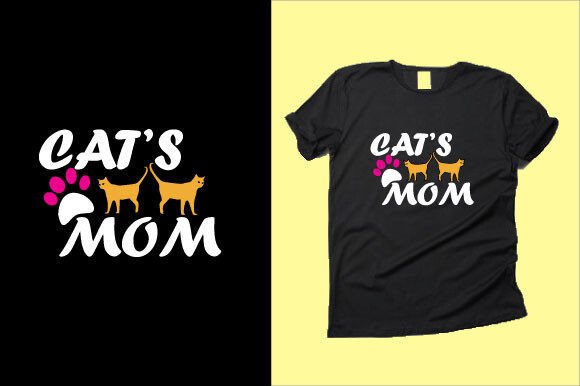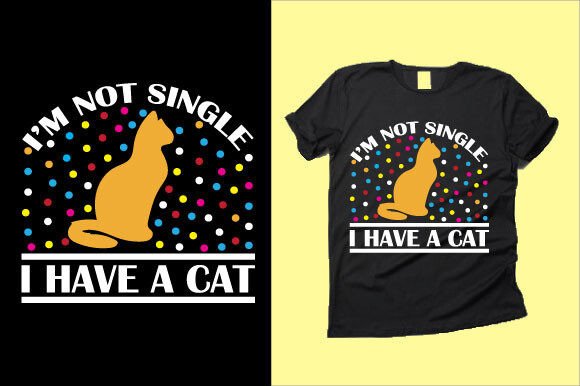
Cat T-shirt Design 50: A Practical Embroidery Review
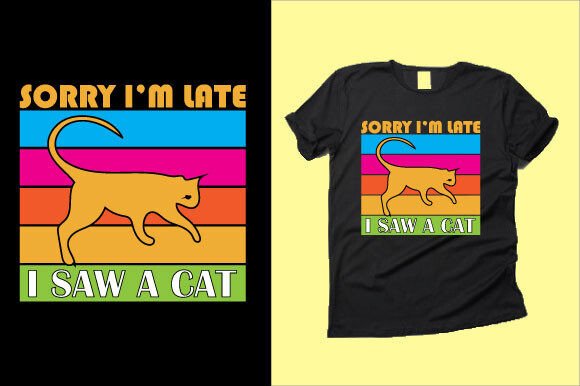
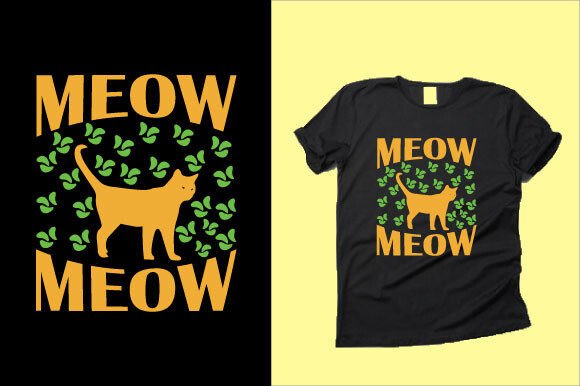
As someone who’s stitched hundreds of custom apparel pieces—from boutique baby onesies to holiday tote bags—I opened Cat T-shirt Design 50 expecting charm, but what stood out immediately was its quiet confidence. It’s not loud or overly stylized; instead, it carries a soft, approachable feline silhouette with subtle contouring and balanced negative space. That matters—especially when you’re translating a graphic into thread.
First Impressions: Mood, Shape, and Real-World Fit
The design reads as friendly and intentional—not just “cute,” but considered. Its proportions suggest a medium-scale embroidery file, likely optimized for a 4"–5" hoop. I pictured it instantly on a natural linen tea towel for a small-batch kitchen goods shop, or centered on the chest of a lightweight organic cotton sweatshirt for a local pet rescue fundraiser. It doesn’t scream “graphic tee”—it leans into handmade product territory, where subtlety builds authenticity.
I tested it mentally across several real projects: a set of embroidered pillow covers for a nursery (soft contrast, no harsh edges), a limited-run apron series for a cat café (playful but professional), and even as a standalone embroidered patch sewn onto denim jackets at a craft fair. In each case, Cat T-shirt Design 50 held up—not as a background element, but as a quiet focal point that invites closer looking without demanding attention.
Where It Shines in Embroidery Practice
This design works especially well for custom apparel where clarity and stitch integrity matter more than pixel-perfect detail. The clean outlines and open interior spaces translate reliably into satin stitch borders and light fill stitch zones—no dense overlapping areas that risk puckering on thin fabric. That makes it ideal for baby embroidery, lightweight tees, and even delicate cotton-blend caps, provided you use appropriate stabilizer.
For commercial embroidery, it’s refreshingly low-risk: minimal fine linework, no tiny lettering or fragile connectors, and generous spacing between elements. That means fewer thread breaks, smoother hooping, and faster digitizing adjustments if you’re adapting it for different garment types. As an Etsy seller or small shop product, it supports consistent branding—imagine using it across matching tote bag designs, sweatshirt embroidery, and printable mockups for your listings. Customers recognize cohesion, not clutter.
It also holds up beautifully in holiday embroidery contexts—think embroidered ornaments, gift tags, or personalized pet-themed stockings. Because it avoids seasonal clichés (no bows, no snowflakes, no cartoonish expressions), it stays relevant year-round, which is gold for inventory planning and evergreen digital product listings.
Where Caution Is Needed
Cat T-shirt Design 50 isn’t built for ultra-fine detail work. If you’re planning to stitch it inside a 3" hoop—or onto highly textured fabrics like bouclé or heavy terry cloth—you’ll want to test first. Those subtle curves may soften or blur slightly without proper underlay or stabilizer support.
On dark fabric, contrast becomes critical. The original graphic suggests mid-tone line weight, so black thread on navy might read too softly. Try a cream or heather gray thread instead—or reverse the logic entirely and go for tone-on-tone elegance (charcoal thread on charcoal fabric) for high-end boutique appeal.
Avoid stretching it onto curved surfaces like structured baseball caps unless you’ve confirmed the digitization includes proper push-pull compensation. And while it’s gentle enough for most stretchy fabric, skip it on performance knits or swimwear blends unless you’ve added cutaway stabilizer and reduced stitch density manually.
Design Assets & Commercial Use: What You Must Verify
The listing says, “I will create trendy t shirt design custom merch. I have a long exper”—but it doesn’t clarify licensing terms. Before adding Cat T-shirt Design 50 to your craft business catalog or selling finished embroidered patches, confirm whether the purchase grants commercial rights. Some designers offer personal-use-only files unless upgraded. This isn’t about suspicion—it’s about protecting your brand reputation and avoiding surprises down the line.
Also check whether the embroidery file includes multiple formats (PES, DST, JEF), or if it’s delivered as a single vector graphic requiring digitizing. If it’s the latter, factor in time and cost for professional digitizing—especially if you plan to scale it across different garment types or add applique elements later.
Practical Designer Notes Before You Stitch
- Always test on scrap fabric first—especially if using textured, dark, or stretchy materials.
- Review stitch density visually in your embroidery software. Look for tight clusters that could cause stiffness or distortion.
- Confirm hoop size compatibility before committing to production runs. A 5" design won’t fit cleanly in a 4" frame without scaling—and scaling affects stitch behavior.
- Inspect small details at 200% zoom: Are inner ear contours or whisker hints legible at stitch level? Or do they vanish into fill?
- Test black-and-white mockups to gauge contrast and readability across fabric colors.
- Use proper stabilizer: Tear-away for stable wovens, cutaway for knits or lightweight fabrics.
- Compare light vs. dark backgrounds in your design software—what reads well on white may disappear on charcoal.
- Check thread color harmony early. A warm taupe thread might enhance the feline’s softness better than stark black.
Ultimately, Cat T-shirt Design 50 earns its place not because it’s flashy, but because it’s thoughtful. It respects the limits and strengths of machine embroidery—prioritizing stitchability over visual complexity. For handmade product creators, personalized gift makers, and digital embroidery file curators alike, it’s a versatile, trustworthy asset. Just remember: great embroidery starts with informed choices—not just beautiful graphics.