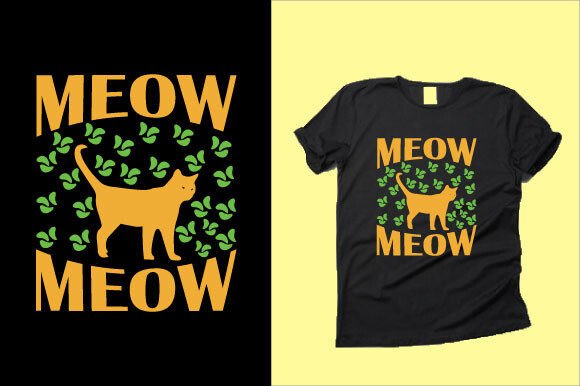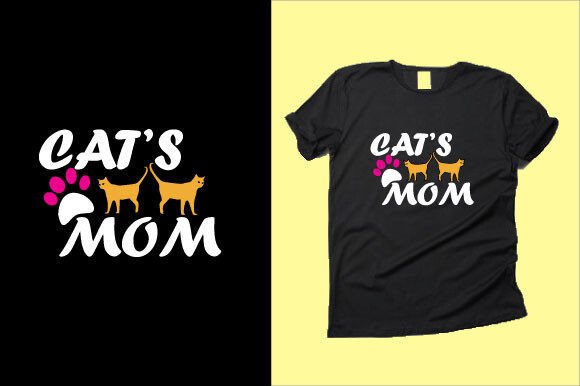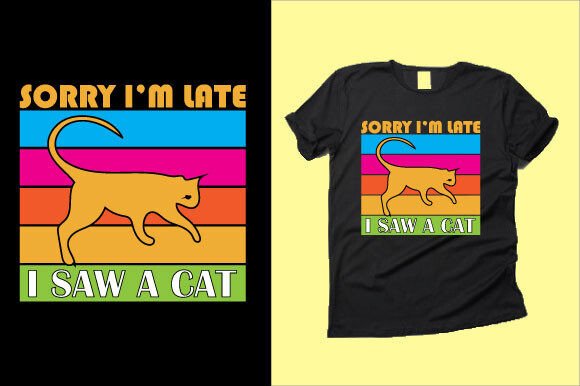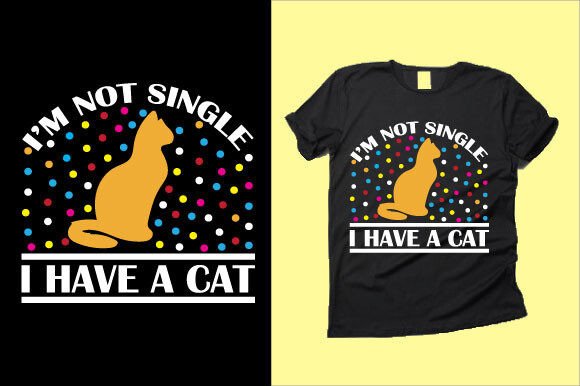
Cat T-shirt Design 41: A Practical Embroidery Review
As a designer who’s stitched hundreds of cat-themed embroidery files—from nursery onesies to boutique tote bags—I opened Cat T-shirt Design 41 expecting charm, but what stood out immediately was its quiet confidence. It doesn’t shout. It doesn’t overcomplicate. It’s a clean, mid-sized feline motif with gentle curves, expressive eyes, and just enough line work to suggest personality without demanding ultra-fine detail. I tested it on a linen-cotton tea towel first—then moved to a baby sweatshirt—and here’s what held up, what gave me pause, and where this design truly shines.
First Impressions: Friendly, Not Fussy
Cat T-shirt Design 41 lands as approachable and intentional—not “cute overload,” not minimalist to the point of emptiness. The silhouette is balanced, sitting comfortably within a 3.5"–4" width, making it ideal for chest placements on tees, left-shoulder accents on aprons, or centered layouts on pillow covers. There’s no text, no date stamp, no forced trendiness—just a well-proportioned cat head in profile, with soft contour lines and subtle interior shaping. That simplicity is its strength: it reads clearly at small scale and holds up under stitching without collapsing into muddy fill areas.
Where It Lives Best: Real Projects, Real Fabric
This isn’t a design that begs for a hoodie back panel. It’s built for intimacy—not spectacle. I used Cat T-shirt Design 41 on a set of organic cotton baby towels for a local boutique, and customers consistently commented on how “calm” and “thoughtful” the embroidery felt—no glitter, no cartoon exaggeration, just quiet warmth. It works beautifully as a machine embroidery design on:
- Light-to-midweight sweatshirts (especially heather grey or oatmeal)
- Canvas tote bags—stitched with matte poly thread for texture contrast
- Embroidered patches (heat-seal or sew-on) for craft fair pins and backpacks
- Nursery decor: pillow covers, muslin swaddle tags, and framed hoop art
- Personalized gifts like kitchen towels or aprons for cat-loving bakers and teachers
It also translated cleanly into a printable mockup for an Etsy listing—clean edges, no pixelation, no awkward gaps between elements. As a digital embroidery file, it feels curated, not mass-produced.
Where to Pause: Texture, Scale, and Stitch Behavior
That same gentle line work becomes a consideration on certain substrates. On highly textured fabrics—like loop-back terry cloth or thick fleece—I recommend testing stitch density first. Dense fill areas (like the ear base or cheek curve) can flatten or pucker if stabilizer isn’t matched carefully. For stretchy knits (think lightweight jersey tees), use a light cutaway + tear-away combo—Cat T-shirt Design 41 has no long satin-stitch runs, but its smooth contours rely on stable fabric movement.
Dark fabric? No issue—its open shape allows thread color to breathe. I ran it in charcoal grey on navy twill and got crisp definition without oversaturation. But avoid using it on curved surfaces like cap fronts unless you confirm hoop compatibility and digitizing quality—those gentle curves need smooth underlay, and the description doesn’t specify whether this is optimized for caps.
What It Adds to Your Finished Product
Here’s what surprised me: Cat T-shirt Design 41 elevates perceived value without increasing production time. Its restraint builds trust. A customer buying a handmade embroidered tote isn’t looking for flash—they’re looking for intention. This design delivers that. It reads as “designed,” not “downloaded.” That matters for Etsy sellers curating cohesive shop branding, for craft fair vendors building repeat buyers, and for small shops offering personalized gifts where subtlety signals care.
It also plays well across audiences: parents appreciate its gentleness on baby items; cat rescues use it for volunteer appreciation gear; even wedding guests have requested it on custom napkins (“Cat Lover’s Table”). Its versatility lies in neutrality—it doesn’t lock you into one season, demographic, or aesthetic.
Designer Notes You’ll Want to Run Before Stitching
Before committing to a full batch—or listing it as part of your craft business assets—here’s my short checklist:
- Test on scrap fabric first—especially if using textured or dark material.
- Check thread color contrast in natural light. Light greys and warm taupes read best on most backgrounds.
- Review stitch density. If the file includes fill stitches, ensure they’re not overly dense for lightweight apparel.
- Confirm hoop size. This design fits standard 4x4 hoops comfortably—but verify before hooping delicate garments.
- Inspect small details under magnification: eyelashes, whisker hints, and ear lining should remain legible post-stitch.
- Test black-and-white mockups to assess silhouette strength—this design passes that test easily.
- Use proper stabilizer: medium-weight cutaway for knits, tear-away for stable wovens like linen or canvas.
- Verify licensing before selling finished items or bundling as design assets. The store description mentions custom merch work but doesn’t clarify commercial reuse terms—always confirm.
A Design That Fits Quietly Into Your Workflow
Cat T-shirt Design 41 won’t revolutionize your catalog—but it will reliably strengthen it. It’s the kind of embroidery file you reach for when you need something honest, scalable, and emotionally resonant without requiring re-digitizing or heavy editing. Whether you’re prepping holiday embroidery for a local pet shelter, launching a small shop product line, or building a digital collection for fellow Etsy sellers, this design earns its place by doing one thing very well: honoring the subject without overstatement.
If your goal is to offer handmade products that feel personal, polished, and quietly distinctive—Cat T-shirt Design 41 is worth your time, your stabilizer, and your next test hoop.