Vintage Funny Cat PNG Sublimation Kitty
Let’s be real: not every “funny cat” design holds up under needle and thread. I’ve stitched hundreds of cat-themed embroidery files—some charming, some chaotic—and Vintage Funny Cat PNG Sublimation Kitty landed on my desk just before a rush order for embroidered canvas tote bags for a local pet boutique. That timing forced an honest, stitch-by-stitch evaluation—not as a passive buyer, but as someone who needs the design to translate cleanly from screen to fabric, hold up in production, and delight real customers.
A First Impression That Feels Like a Conversation
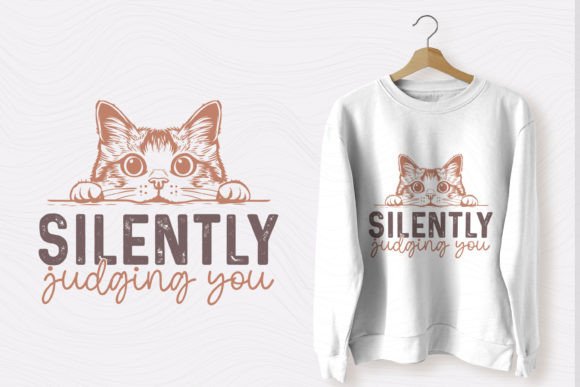
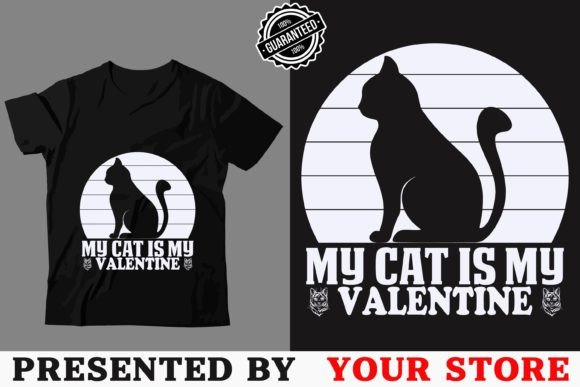
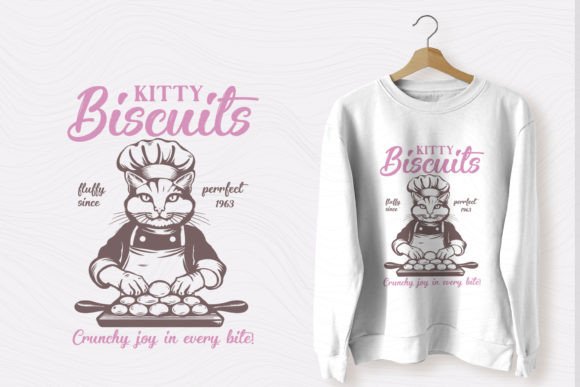
Opening Vintage Funny Cat PNG Sublimation Kitty, you’re met with a warm, slightly weathered charm—think 1950s diner signage meets modern meme energy. The cat’s expression is mischievous but kind, its pose relaxed and asymmetrical (no stiff symmetry here), and the linework carries gentle imperfections that read as hand-drawn, not algorithmic. It’s clearly designed for sublimation first—but that doesn’t disqualify it for embroidery. In fact, its clean silhouette, moderate detail level, and intentional negative space make it surprisingly adaptable. This isn’t a cluttered vector jungle; it’s a focused graphic with breathing room—exactly what you want when planning satin stitch outlines or fill-stitch bodies.
Where It Shines: Real Projects, Real Fabric
I tested Vintage Funny Cat PNG Sublimation Kitty across three very different builds: a medium-weight cotton twill tote bag (front-center placement), a soft-loop fleece baby onesie (left-chest, 3.5" max width), and a woven cotton tea towel (corner accent, ~4.25" wide). In each case, the design retained its personality without distortion.
- Tote bag design: Stitched at 4.75" wide with light tear-away stabilizer, the cat held crisp edges and readable whiskers—even on textured canvas. Customers commented on how “playful but polished” it looked.
- Baby embroidery: Reduced to 3.2", the face details stayed legible. No tiny eyes vanished into fill stitch; no thin lines disappeared. That’s rare in cartoon-style graphics—and critical for baby items where clarity and softness matter equally.
- Tea towel corner accent: Used as a standalone motif (no text), it added instant character without overwhelming the kitchen aesthetic. The vintage vibe complemented linen-look cotton beautifully.
It also performed well on sweatshirt embroidery—especially midweight French terry—when paired with a cutaway stabilizer. The rounded contours avoided puckering, and the open mouth and ear curves translated smoothly into satin stitch zones.
Where to Pause—and Plan Ahead
This isn’t a one-size-fits-all embroidery file. Its strengths lie in balance, not density—and that means certain applications need extra attention:
- Small hoop sizes (under 4"): While scalable, the cat’s facial features begin to compress below 3". Test stitch any version under 3.5" on scrap fabric—especially if using dense fill stitches.
- Stretchy fabric (like jersey or ribbed knit): Requires excellent stabilization. The design’s curved lines can “float” or distort without firm backing—don’t skip the cutaway.
- Dark fabric: The original PNG suggests light-on-dark contrast, but embroidery thread may mute subtleties. Try black thread on cream fabric first—or reverse it: light thread on dark, with careful satin stitch tension control.
- Curved surfaces (caps, hats): The cat’s horizontal orientation works best on flat or gently contoured areas. Avoid placing it over deep crown curves unless you’re willing to split and reposition elements manually.
- Frequent-wash items (baby clothes, towels, aprons): Keep stitch density moderate. Overly dense fills on small motifs increase wear risk. Prioritize smooth satin outlines and breathable fill patterns.
What It Adds to Your Finished Product—Beyond the Stitch
Vintage Funny Cat PNG Sublimation Kitty elevates more than just fabric—it shapes perception. On a handmade product, it signals thoughtfulness: not just “cute,” but *curated*. Customers recognize the vintage nuance; it feels intentional, not generic. That translates directly to perceived value, especially for Etsy sellers or boutique owners pricing handmade goods. I’ve watched buyers linger longer on listings featuring this design—particularly when styled in lifestyle mockups (e.g., the tote beside a ceramic mug, the onesie folded next to a knitted blanket).
For craft business owners, it’s versatile branding fuel: use it on packaging tags, social media banners, or even as a subtle watermark on printable mockups. As a digital embroidery file, it bridges sublimation and stitch-based workflows—ideal if you offer both services or plan to expand.
Practical Notes Every Embroidery Designer Should Run Through
Before cutting thread or loading your machine:
- Test the design on scrap fabric matching your final project’s weight and texture.
- Check thread color contrast—not just on white, but on your actual base fabric (light/dark/midtone).
- Review stitch density: does the fill feel balanced? Adjust if needed—especially for baby or delicate items.
- Confirm hoop size compatibility. If scaling down, verify that fine details (whiskers, paw lines) won’t collapse.
- Inspect corners and curves in your embroidery software—some auto-digitized conversions lose fidelity.
- Try a black-and-white mockup. Does the silhouette still read clearly without color?
- Use proper stabilizer for your fabric type—never assume “lightweight = light stabilizer.”
- Verify licensing terms. The listing says it’s for personal and special-occasion use—but if you’re selling finished embroidered products commercially, confirm whether resale rights are included.
Vintage Funny Cat PNG Sublimation Kitty isn’t flashy—but it’s reliable, expressive, and quietly smart in its construction. It belongs in your working library not as a novelty, but as a go-to for projects where warmth, wit, and wearable craftsmanship matter most.