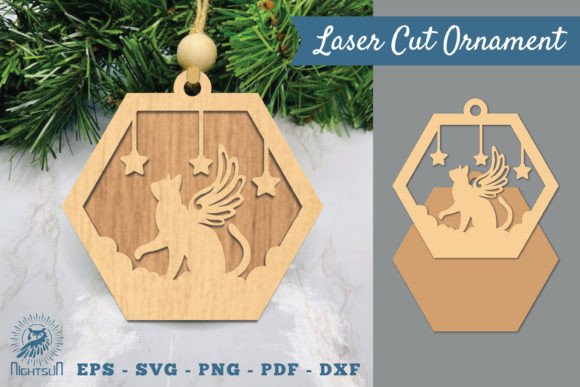
Cats Memorial Ornament Laser Cut Design
A Quiet, Reverent Shape — Not Just Another Silhouette
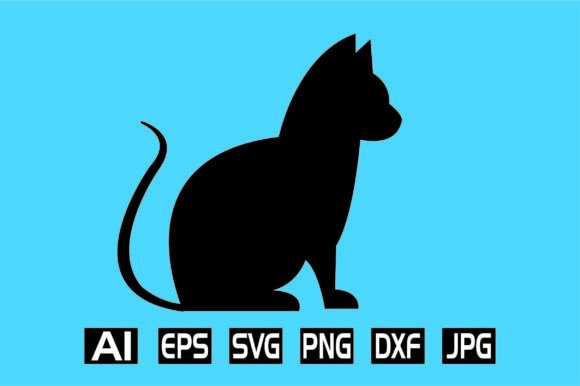
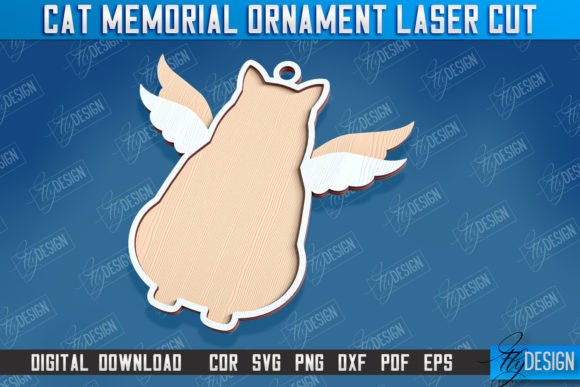
When I first opened the Cats Memorial Ornament Laser Cut Design, what struck me wasn’t technical precision—it was emotional resonance. The cat silhouette with delicate angel wings carries a soft solemnity, not sentimentality. It’s subtle enough for a nursery wall hanging, strong enough for a grief-support tote bag, and refined enough to sit beside a handmade tea towel in a boutique gift set. This isn’t a cartoon or a playful mascot; it’s a quiet visual pause—like a breath held gently. That matters deeply when you’re stitching something meant to be kept, gifted, or displayed long after the moment passes.
Where It Lives Best: Real Projects, Real People
Last week, I used a modified version of this design on a custom-embroidered linen pillow cover for a client who’d recently lost her 17-year-old tabby. She didn’t want florals or clichés—just “something tender, but not fragile.” We stitched the cat-and-wings motif in matte black thread on oat-colored linen, using a light cutaway stabilizer. The result? A finished product that felt intentional, dignified, and quietly personal—not mass-produced, not overly ornate. That’s the sweet spot for the Cats Memorial Ornament Laser Cut Design: personalized gifts, boutique nursery decor, small-batch holiday ornaments (yes—even embroidered versions), and heartfelt apparel like unisex sweatshirts or cotton aprons for pet-loving small businesses.
What Works — And What Needs Thoughtful Handling
This design translates well into machine embroidery—especially as an applique design or satin-stitched outline—but only if you honor its scale and intent. The wings are graceful, not fussy; the cat profile is clean, not detailed. That means it holds up beautifully on medium-weight cotton, canvas, or linen—fabrics common in tote bags, pillow covers, and kitchen towels. On stretchy fabric like knits or thin jersey, though? Proceed carefully. The wingtips and tail taper into fine points; without proper stabilizer and hooping tension, those areas can distort or pucker during stitching. Likewise, dense fill stitches near the wings’ inner curves may require reduced stitch density to avoid stiffness on baby embroidery or lightweight garments.
For caps or curved surfaces, test placement first. The vertical orientation and modest height (roughly 3–4 inches tall in most standard interpretations) make it adaptable—but don’t force it onto a tiny front panel. On dark fabric, choose thread colors with contrast and depth—charcoal gray instead of black, ivory instead of white—to preserve definition without glare. And if you're building an Etsy listing or craft fair display, pair it with soft, natural mockups: a folded linen tea towel, a draped sweatshirt sleeve, or a simple wooden ornament hanger—not flashy graphics. Customers respond to authenticity, not polish.
Design Integrity Matters — Especially When Emotion Is the Product
As a designer who’s reviewed hundreds of digital embroidery files, I pay close attention to how a design affects perceived value. The Cats Memorial Ornament Laser Cut Design earns trust because it avoids overcomplication. No tiny lettering to vanish in stitching, no nested details that blur on textured fabric, no fragile linework that disappears after one wash. That simplicity supports professionalism—not just in execution, but in intention. When your customer buys a personalized gift, they’re buying care, clarity, and quiet respect. This design delivers that—if you treat it thoughtfully.
That said, it’s not universal. Skip it for high-density commercial embroidery runs where speed trumps nuance. Avoid it for ultra-small hoop sizes (under 4” diameter) unless you’re willing to simplify the wings manually. And never assume it works equally well on both light and dark backgrounds—always test in black-and-white mockups first. Visual weight shifts dramatically depending on contrast, and this design relies on balance, not boldness.
Practical Notes Every Embroidery Designer Should Check
- Test on scrap fabric first—especially with your intended stabilizer and thread combo. Linen behaves differently than cotton duck; fleece reacts differently than terry cloth.
- Review stitch density before scaling. Enlarging the design too much can expose gaps in fill areas; shrinking too far risks losing wing definition.
- Confirm hoop size compatibility with your machine—and whether the design fits comfortably within your standard hoop without re-hooping mid-stitch.
- Inspect small details at actual stitch size: Are wingtips sharp or fuzzy? Does the tail taper cleanly? Zoom in on your embroidery software preview.
- Use proper stabilizer—light cutaway for stable fabrics, tear-away for temporary structure, and always match weight to your fabric’s drape and thickness.
- Check licensing terms before selling finished items or bundling the file in digital product kits. This is especially critical for Etsy sellers and craft business owners.
- Compare light/dark fabric backgrounds in printable mockups—not just on screen. What reads softly on ivory may vanish on navy without thread adjustment.
Final Thought: It’s Not About the File — It’s About the Feeling You Deliver
The Cats Memorial Ornament Laser Cut Design doesn’t shout. It doesn’t need to. Its strength lies in restraint—in how easily it becomes part of a larger handmade product without demanding attention. Whether stitched on a baby onesie for a pet-loving parent, heat-applied to a holiday ornament kit, or digitized into a layered satin-stitch patch for a small shop’s limited run, it carries weight without heaviness. That’s rare. And that’s why, as someone who evaluates embroidery files daily, I keep this one in my go-to folder—not for flash, but for feeling. For meaning. For the quiet moments your customers hold closest.